
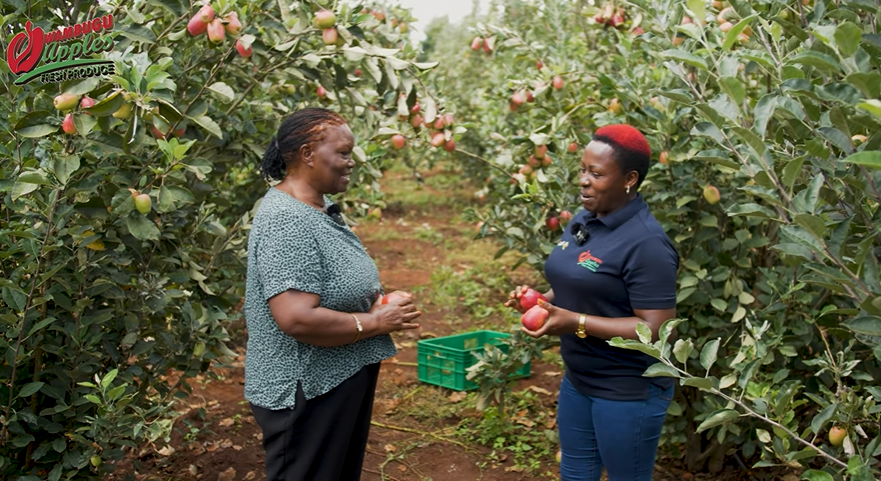

Wambugu apples have taken the agricultural world by storm, becoming a favored choice for growers and fruit enthusiasts alike. Known for their crisp texture, sweet flavor, and impressive adaptability to various climates, Wambugu apples have gained a reputation for both their quality and resilience. In this article, we’ll unveil the secrets behind growing these remarkable apples, sharing valuable Wambugu apple tips and tricks to help you cultivate a thriving orchard. Whether you’re an experienced farmer or a gardening enthusiast, these insights will guide you through the process of growing Wambugu apples with confidence. Let’s dive in and discover what makes these apples truly unique.
Choosing the Right Environment for Wambugu Apples
Choosing the right environment is critical when growing Wambugu apples. Proper climate, soil conditions, sunlight, and water availability ensure that your apple trees thrive. Here are some key considerations and Wambugu apple tips and tricks to help you make the best choices.
Ideal Climate and Soil Conditions for Wambugu Apples
Wambugu apples thrive in moderate climates with mild winters and warm summers. They are generally resistant to many diseases, but extreme weather conditions can still affect them. Ideally, these apples grow best in climates where temperatures range from 15 to 30 degrees Celsius. They can tolerate some frost, but prolonged freezing can damage the trees.
In terms of soil conditions, Wambugu apples prefer well-drained, slightly acidic to neutral soil. The ideal pH range is between 6.0 and 7.0. Avoid heavy clay or overly sandy soils, as they can lead to poor root development or inadequate nutrient absorption.
Importance of Sunlight and Water
Sunlight is crucial for Wambugu apples. These trees need at least 6 to 8 hours of direct sunlight each day. More sunlight ensures healthier growth and better fruit production. Therefore, avoid planting in areas with excessive shade from buildings or large trees.
Water is equally important. Wambugu apple trees need consistent moisture, especially during the growing season. However, overwatering can lead to root rot. A general rule is to keep the soil evenly moist but not waterlogged. Water deeply, allowing the soil to dry slightly between watering sessions.
Choosing the Right Location: Wambugu Apple Tips and Tricks
When choosing a location for Wambugu apples, consider factors like exposure to wind, frost pockets, and soil quality. Wind can damage the branches, so a sheltered area is ideal. Avoid planting in low-lying areas where cold air settles, as this increases the risk of frost damage.
Select a location with good air circulation to reduce the risk of diseases. Ensure the site has proper drainage to prevent waterlogging. You can also use raised beds or mounds to improve drainage if necessary.
Preparing the Soil for Wambugu Apples
To grow Wambugu apples successfully, you need to prepare the soil properly. This step is crucial for ensuring healthy growth and maximizing fruit production. Let’s explore how to do this effectively with these Wambugu apple tips and tricks.
Soil Testing and Preparation
First, test your soil to find out its composition and pH level. This will help you understand what nutrients are missing and whether the soil is acidic or alkaline. Many Wambugu apple trees prefer slightly acidic to neutral soil, with a pH range of 6.0 to 7.0. Testing kits are available at garden centers or online. Once you know your soil’s condition, you can make the necessary adjustments.
Adding Nutrients and Organic Matter
After testing the soil, the next step is to add nutrients and organic matter. This helps improve the soil structure and provides the essential elements that Wambugu apples need. Organic matter, like compost or well-rotted manure, enhances soil fertility and promotes good drainage. Additionally, fertilizers with balanced nitrogen, phosphorus, and potassium levels are ideal. Apply them evenly over the planting area, and work them into the soil to a depth of 12 inches.
Ensuring Proper Drainage
Moreover, proper drainage is vital for Wambugu apples. If the soil retains too much water, the roots may rot, leading to unhealthy trees. Therefore, check the drainage by digging a small hole and filling it with water. If the water doesn’t drain within a few hours, you may need to amend the soil with sand or create raised beds. This allows excess water to flow away from the roots.
Planting Wambugu Apples
Planting Wambugu apples requires careful planning and attention to detail. The selection of saplings, proper planting techniques, and initial care are key to establishing a healthy orchard. Let’s break down the essential steps and provide Wambugu apple tips and tricks to guide you through the planting process.
Selecting the Right Wambugu Apple Saplings
The first step in planting Wambugu apples is selecting the right saplings. Look for healthy, disease-free saplings from a reputable nursery. They should have strong roots and be free of visible signs of damage or disease. Additionally, consider the variety of Wambugu apples you want to plant. Some varieties are better suited to specific climates or have unique characteristics, like disease resistance or fruit size.
Planting Techniques and Spacing
Once you have your saplings, it’s time to focus on planting techniques and spacing. Start by digging a hole that’s twice as wide as the sapling’s root ball and deep enough to accommodate the roots without crowding them. Place the sapling in the hole, making sure the graft union (the point where the sapling is grafted onto the rootstock) is about 2 inches above the soil level. This prevents rot and encourages healthy growth.
When it comes to spacing, proper distance between trees is crucial. Plant Wambugu apple saplings about 15 to 20 feet apart to allow for adequate air circulation and sunlight exposure. This spacing also gives the trees room to grow without overcrowding. If you’re planting in rows, ensure that the rows are about 20 feet apart to facilitate maintenance and harvesting.
Initial Care and Watering Requirements
After planting, the next step is to provide proper care and watering. Water the saplings thoroughly after planting to help settle the soil and eliminate air pockets. During the first year, keep the soil consistently moist, but not waterlogged. Water deeply, allowing the water to reach the tree’s root zone.
Mulching around the base of the saplings helps retain moisture and suppress weeds. Use organic mulch, such as wood chips or straw, and keep it at least 2 inches away from the trunk to prevent rot. Additionally, stake the saplings if needed to provide support and protect them from strong winds.
Care and Maintenance for Wambugu Apples
Proper care and maintenance are essential for ensuring that Wambugu apples stay healthy, productive, and resistant to pests and diseases. To keep your trees in peak condition, follow these Wambugu apple tips and tricks for pruning, fertilization, pest management, and seasonal care.
Pruning and Shaping Wambugu Apple Trees
Pruning is key to maintaining the health and structure of Wambugu apple trees. It encourages better fruit production and prevents overcrowding. The best time to prune is in late winter or early spring when the trees are dormant. Start by removing any dead, diseased, or damaged branches. This reduces the risk of infections and opens up the canopy for better air circulation and sunlight penetration.
Next, shape the tree by trimming back any branches that cross or rub against each other. Keep the central leader intact, as it is the main trunk that guides the tree’s growth. Aim for an open shape that allows light to reach all parts of the tree, ensuring even fruit development. Proper pruning leads to a healthier tree and a more bountiful harvest.
Fertilization Tips and Tricks
Fertilization provides Wambugu apples with the nutrients needed for optimal growth and fruit production. Before applying any fertilizer, it’s important to test your soil to identify nutrient deficiencies. Generally, apple trees benefit from a balanced fertilizer with a ratio of nitrogen, phosphorus, and potassium, such as 10-10-10 or 14-14-14.
Apply fertilizer in early spring, just before new growth starts. Spread it evenly around the tree’s drip line, avoiding direct contact with the trunk to prevent damage. Organic compost and well-rotted manure are excellent supplements that improve soil structure and fertility. Additionally, if your soil lacks specific nutrients, consider targeted fertilizers to address those deficiencies.
Managing Pests and Diseases
Managing pests and diseases is a crucial part of caring for Wambugu apples. Common pests include aphids, codling moths, and apple maggots, while diseases like apple scab and powdery mildew can damage fruit and leaves. Regularly inspect your trees for signs of pest activity or disease symptoms, such as curled leaves, discolored fruit, or white powdery residue.
Use integrated pest management (IPM) techniques to control pests. Introduce beneficial insects like ladybugs to naturally reduce aphid populations. Pheromone traps can help manage codling moths. If chemical treatments are necessary, use them sparingly and follow all safety guidelines.
For disease prevention, proper pruning and maintaining good air circulation are key. Clean up fallen leaves and debris to prevent diseases from spreading. If needed, use organic fungicides to control issues like apple scab.
Seasonal Care for Wambugu Apples
Seasonal care keeps Wambugu apple trees healthy throughout the year. In spring, focus on pruning, fertilization, and monitoring for pests and diseases. During summer, maintain consistent watering and continue to monitor for pest infestations. Keep the area around the trees free from weeds and grass to reduce competition for nutrients.
Harvesting and Storing Wambugu Apples
Harvesting Wambugu apples at the right time and storing them correctly is crucial for maintaining their quality and taste. Follow these Wambugu apple tips and tricks to ensure a successful harvest and proper storage.
Identifying When Wambugu Apples are Ready to Harvest
Knowing when Wambugu apples are ready to harvest is key to enjoying their optimal flavor and texture. Typically, Wambugu apples ripen in late summer to early fall, but the exact timing depends on your climate and specific variety. Look for these signs to determine readiness:
- Color Change: Wambugu apples will change from green to a rich red or orange as they ripen. The exact color varies with the variety.
- Firmness: Ripe apples should be firm but not hard. If they feel too soft, they may be overripe.
- Ease of Detachment: When apples are ready, they detach easily from the tree. Gently lift the apple; if it releases with a slight twist, it’s ready for harvest.
- Taste Test: The best way to confirm ripeness is by tasting. A ripe Wambugu apple should be sweet with a hint of tartness.
Best Practices for Harvesting
When harvesting Wambugu apples, follow these best practices to ensure the fruit remains in good condition:
- Use a Ladder or Picker: For high branches, use a stable ladder or an apple picker to avoid damaging the tree.
- Gentle Handling: Handle apples carefully to prevent bruising. Always lift and twist rather than pulling or yanking.
- Avoid Dropping Apples: Dropping apples can cause bruising, which shortens their shelf life.
- Separate Damaged Apples: Remove any apples with visible damage or blemishes. These should be used immediately or composted.
Proper Storage and Preservation Methods
After harvesting, proper storage is vital for extending the shelf life of Wambugu apples. Here’s how to store them effectively:
- Cool Temperature: Keep apples in a cool environment, ideally between 32 and 40 degrees Fahrenheit (0 to 4 degrees Celsius). This helps maintain their freshness.
- Humidity Control: Apples require a humidity level of 85-95%. Use a storage container with ventilation or a refrigerator with a humidity-controlled drawer.
- Separate by Ripeness: Store apples of similar ripeness together. This helps prevent overripe apples from affecting others.
- Check Regularly: Regularly inspect stored apples for signs of spoilage or decay. Remove any damaged ones to prevent the spread of rot.
Wambugu Apples in the Marketplace
Wambugu apples are gaining popularity in the marketplace due to their unique qualities and versatility. As demand grows, there are more opportunities for profitability and business ventures. Let’s explore these aspects and highlight some success stories to illustrate the market potential of Wambugu apples.
Demand and Uses for Wambugu Apples
The demand for Wambugu apples is on the rise, driven by their excellent flavor, crisp texture, and adaptability to various climates. Consumers appreciate their sweetness and versatility, which makes them ideal for fresh consumption, baking, and cooking. Additionally, Wambugu apples have a good shelf life, enhancing their market appeal.
These apples are also becoming popular among health-conscious consumers because they are a source of vitamins, antioxidants, and dietary fiber. Their unique taste and appearance make them attractive to both local and international markets. As demand increases, retailers are finding it easier to sell Wambugu apples alongside other popular varieties.
Potential for Profitability and Business Opportunities
The growing demand for Wambugu apples presents significant opportunities for profitability and business ventures. Farmers who cultivate these apples can expect good returns on investment, especially if they focus on quality and marketability. The adaptability of Wambugu apples to different climates means that growers can find success in various regions, reducing the risks associated with environmental factors.
Entrepreneurs and small business owners can also capitalize on the Wambugu apple trend by creating value-added products. For example, Wambugu apple cider, juice, dried apple snacks, and apple-based desserts are becoming popular in the market. These products offer a new revenue stream for businesses and appeal to a broader customer base.
Additionally, farmers’ markets, local grocers, and online platforms provide excellent opportunities to connect directly with consumers. By building strong relationships with customers, businesses can create brand loyalty and establish a niche for Wambugu apples.
Success Stories from Wambugu Apple Growers
There are several inspiring success stories from Wambugu apple growers that demonstrate the potential of this apple variety. One story involves a farmer who started with a small orchard and, over time, expanded to meet the growing demand for Wambugu apples. By focusing on sustainable practices and quality, the farmer was able to build a loyal customer base and secure contracts with local retailers.


