
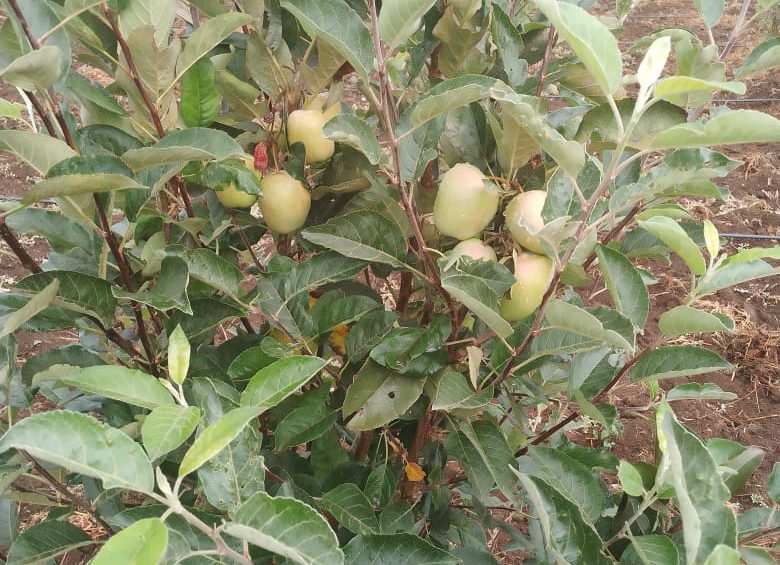
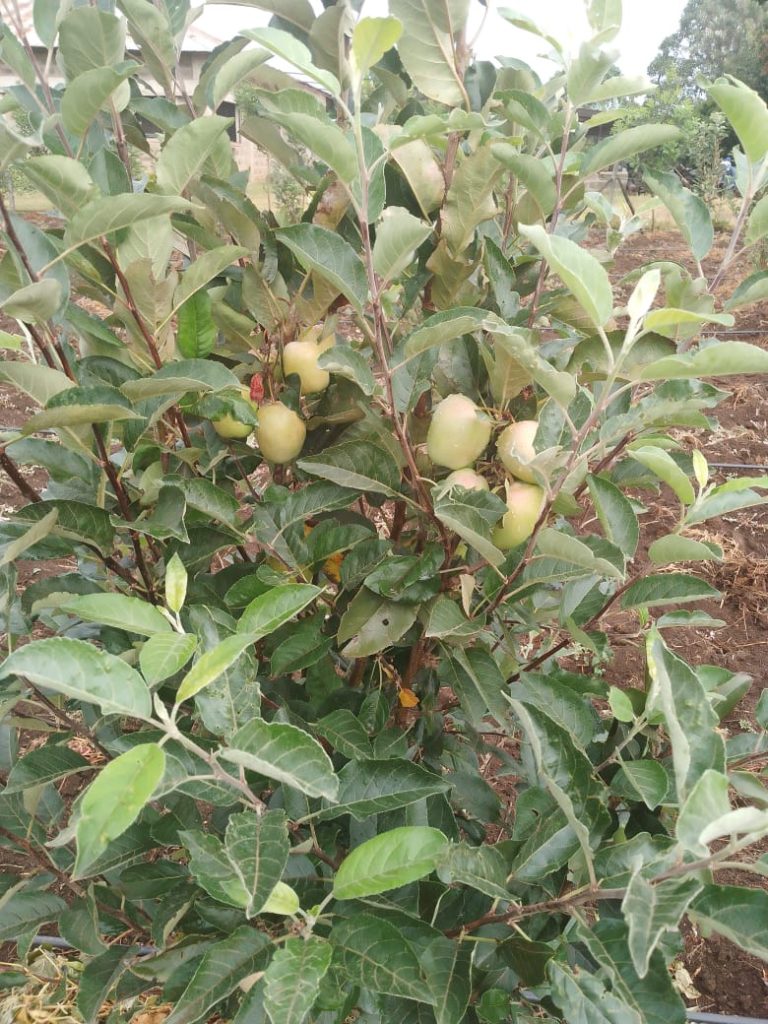
When it comes to cultivating Wambugu apples, every farmer dreams of abundant yields. After all, higher yields mean better profits and a thriving orchard. In this article, we’ll delve into some effective techniques to help increase Wambugu apple yield. By implementing these strategies, farmers can optimize their harvests and enjoy a more prosperous apple farming venture.
Understanding the Importance of Increasing Wambugu Apple Yield
Increasing Wambugu apple yield is essential for farmers striving to bolster their farm’s profitability and sustainability. By producing more apples per tree, farmers can generate higher revenues, thereby improving their income and financial stability. This increased profitability enables farmers to reinvest in their operations, purchase necessary equipment, and implement sustainable farming practices.
Meeting Market Demands
Higher yields empower farmers to meet the ever-growing demands of the market. As consumer preferences shift towards healthier food options, the demand for fresh, locally grown produce like Wambugu apples continues to rise. By increasing yield, farmers can supply more apples to meet market demands, ensuring a steady and reliable source of income throughout the growing season.
Expanding Operational Capacity
A robust yield opens up opportunities for farmers to expand their operational capacity. With a surplus of apples, farmers can explore new markets, establish partnerships with retailers and wholesalers, and even venture into value-added products such as apple cider or dried apple snacks. This expansion not only diversifies revenue streams but also strengthens the resilience of the farm against market fluctuations and uncertainties.
Ensuring Economic Viability
Moreover, a robust yield is essential for ensuring the economic viability of Wambugu apple farming. In a competitive agricultural landscape, where input costs continue to rise, achieving a high yield is imperative for maintaining profitability. By maximizing yield per acre, farmers can optimize resource utilization, minimize production costs, and achieve a favorable return on investment.
Encouraging Continued Cultivation Efforts
Furthermore, a robust yield plays a pivotal role in encouraging farmers to sustain their cultivation efforts. When farmers see tangible results in the form of abundant harvests, they are motivated to continue investing time, resources, and energy into apple farming. This sustained commitment not only benefits individual farmers but also contributes to the overall growth and prosperity of the Wambugu apple farming community.
Adopting Prudent Orchard Management Practices
To increase Wambugu apple yield, farmers must prioritize adopting prudent orchard management practices. This involves implementing various techniques to ensure optimal tree health and fruit production.
Proper Irrigation, Fertilization, and Pest Control Measures
Effective orchard management begins with providing proper irrigation, fertilization, and pest control measures. Maintaining optimal soil moisture levels, supplying adequate nutrients, and safeguarding apple trees from pests and diseases are crucial steps in maximizing yield potential.
Selecting Suitable Cultivars and Orchard Layout
Increasing Wambugu apple yield starts with selecting the right cultivars adapted to local climate and soil conditions. Choosing disease-resistant varieties with high yield potential lays the foundation for a successful harvest. Additionally, optimizing planting density and spacing enhances sunlight exposure and airflow, fostering healthy tree growth and fruit production. Implementing a well-designed orchard layout further boosts efficiency and facilitates orchard management tasks, contributing to increased yield over time.
Implementing Proactive Pest and Disease Management
To further enhance Wambugu apple yield, farmers should prioritize proactive pest and disease management strategies. Regular scouting for pests and diseases enables early detection and timely intervention, preventing potential damage to apple trees and fruit. Employing integrated pest management techniques, such as biological control and cultural practices, reduces reliance on chemical pesticides while maintaining effective pest control. Additionally, implementing orchard sanitation measures, like removing fallen fruit and pruning debris, helps diminish disease pressure and promotes overall orchard health.


